



The Devil Wears Prada 2 is so far the most talked about topic since the start of the year 2026. People loved the 1st movie, and now the hype is further increased as the trailer of the 2nd one is released. Though the storyline and plot from the 1st one made everyone a fan of it, what truly caught his eye was the extremely wonderful fashion.
Unlike ordinary movie sequels, this movie is being analyzed like a runway collection. The film has not even been released, yet the trailer has taken the fashion world by storm right after its release. So we can imagine just how much impact this movie will have. This blog explores the most important style directions seen so far and what they reveal about modern fashion culture.
The Evolution of Power Dressing: From Sharp to Subtle

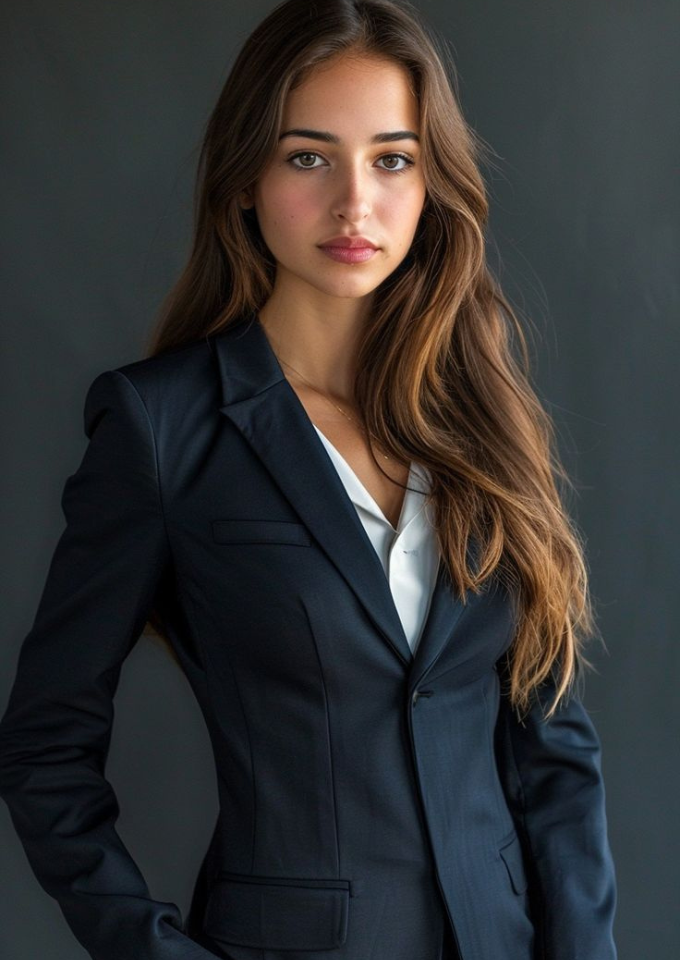
One of the most noticeable shifts in The Devil Wears Prada 2 of being featured in almost all the fashion blogs today is how power dressing has evolved.
In the original film era, power dressing meant:
- Sharp shoulders
- High contrast tailoring
- Heavy designer branding
- Strict corporate silhouettes
In the sequel, the aesthetic has changed dramatically. The new version of power dressing includes:
- Soft tailoring with fluid movement
- Oversized blazers with relaxed structure
- Neutral tones like beige, ivory, and charcoal
- Minimal branding and subtle luxury cues
Fashion Insight:
This reflects a real world 2026 trend known as “quiet authority dressing.” Instead of projecting power through intensity, modern fashion expresses it through calm confidence and refinement.
Miranda Priestly’s Wardrobe: Timeless Control Reinvented
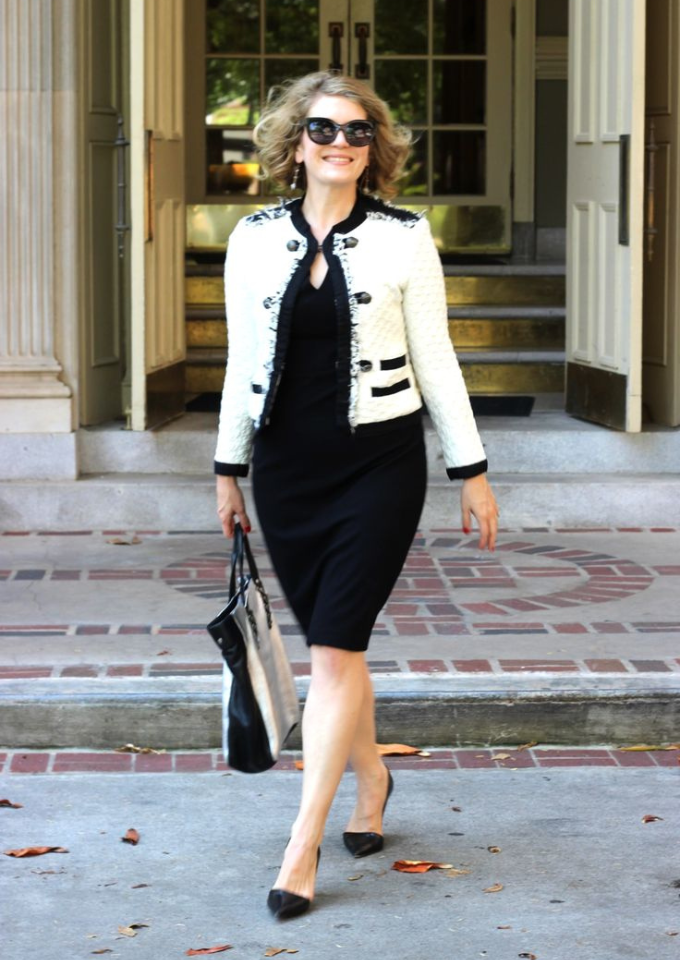
Meryl Streep returns as Miranda Priestly, and her wardrobe continues to serve as a visual representation of editorial dominance.
Her styling remains consistent with her identity:
- Monochrome outfits (black, white, deep navy)
- Precision cut coats and structured silhouettes
- Minimal accessories, always intentional
- High fashion restraint rather than experimentation
Fashion Insight:
Miranda’s wardrobe is not trend based, it is identity based. While other characters evolve, her style stays unchanged, symbolizing authority that does not need validation from trends.
This consistency is what makes her one of cinema’s strongest fashion icons.
Andy Sachs: A Shift From Conformity to Identity
Anne Hathaway shows the most visible transformation in styling direction.
Her wardrobe in the sequel reflects:
- Elevated streetwear blended with luxury tailoring
- Feminine silhouettes with experimental cuts
- Structured coats paired with soft basics
- More individuality, less corporate restriction
Fashion Insight:
Andy’s evolution represents a major cultural shift in fashion psychology.
In the original film, she dressed to survive the industry. In the sequel, she dresses to define herself. This reflects how modern consumers now use fashion as self expression rather than approval seeking.
Accessories Take Center Stage in Modern Styling
One of the most interesting updates in the sequel is the role of accessories. Instead of clothing doing all the storytelling, accessories now carry major visual weight.
Key accessory trends include:
- Structured handbags are used as identity symbols
- Statement belts replacing loud outfits
- Minimalist jewelry with strategic placement
- Boots and heels acting as power indicators
Fashion Insight:
This aligns with the real world shift toward “silent statement fashion.” Instead of overwhelming outfits, small details define a luxury presence.
In 2026 fashion culture, accessories are no longer secondary, they are narrative tools.
Color Storytelling: From Drama to Editorial Calm
The original film used high contrast fashion to emphasize chaos and hierarchy. The sequel adopts a more controlled and editorial palette.
The dominant color themes include:
- Soft neutrals (beige, cream, sand)
- Editorial grayscale (black, white, steel tones)
- Muted luxury hues (olive, taupe, dusty blue)
- Occasional bold red accents for impact
Fashion Insight:
This shift reflects the rise of quiet luxury aesthetics, where simplicity signals wealth and taste more than loud branding.
Color is now used strategically, not dramatically.
Fashion in the Age of Digital Visibility
Another key layer in The Devil Wears Prada 2 styling is its awareness of modern media.
Outfits are clearly designed for:
- Viral moments on social media
- Editorial photography framing
- Camera ready silhouettes
- Instant digital recognition
This shows how fashion today is not only worn, but also performed for the camera.
Fashion Insight:
Modern styling must function in two worlds:
- Real life wearability
- Digital shareability
The film captures this dual reality perfectly.
Key Industry Takeaways:
- Luxury is becoming quieter but more intentional
- Power dressing is shifting toward softness and flow
- Accessories are becoming primary style identifiers
- Fashion is increasingly influenced by digital culture
- Personal identity is replacing trend conformity
These insights show that the film is not just reflecting fashion, it is documenting it.
Conclusion: Why This Sequel Matters Beyond Cinema
The Devil Wears Prada is not just a movie with only entertainment purposes, but it literally refines the fashion industry. Every fashion enthusiast is very excited for the new movie and took notes from it. Every outfit in the trailer represents a broader shift in the fashion industry. From loud expression to quiet sophistication, from trend following to identity building, and from static styling to digital aware fashion storytelling. This is why the film is resonating so strongly, not just with movie fans, but with the entire fashion industry. For more such amazing blogs, make sur to subscribe to Fashenic Style

