



The buz around the devil wears prada filming has taken all over the media industry as well as the media world. As the sequel revisits the high pressure world of the Runway with a sharper, more generational style of the characters are making the headlines.
Well, all the hype is actually worthwhile because after nearly 2 decardes sice the original film, this one is coming up. Hence, the product has returned with updated wardrobes and evolving culture. But how did it all happen, and what can we expect from it? Keep on reading to find it all.
A New Era of Runway Begins
The latest chapter in the Runway universe brings back familiar faces while introducing younger editors navigating a faster, trend-driven industry. The production design leans heavily into contrast which includes old-school editorial authority versus Gen Z experimentation.
In this iteration of devil wears prada filming, the office itself feels less like a glossy fashion fortress and more like a hybrid space where branding, social media metrics, and visual identity collide.
Character Styling: Old Money Meets Digital Fashion

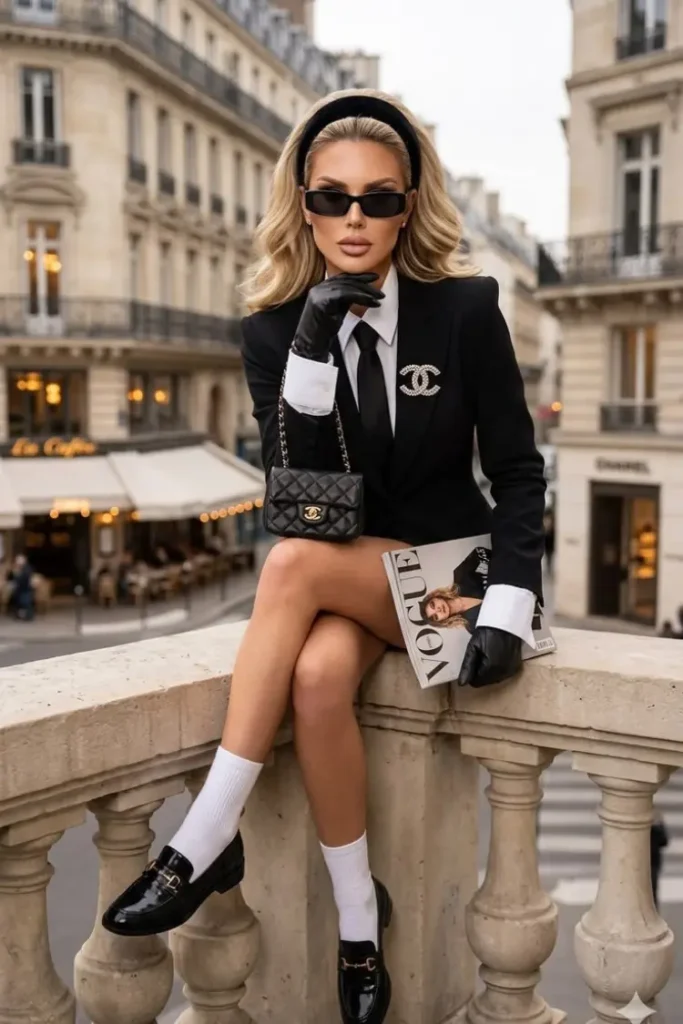
One of the most striking elements of the production is how wardrobe defines hierarchy. Senior characters lean into structured silhouettes and luxury tailoring, while newer assistants experiment with expressive layering, vintage pieces, and unconventional textures.
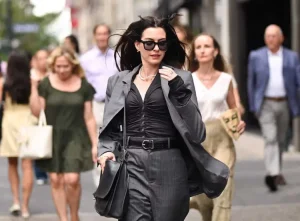
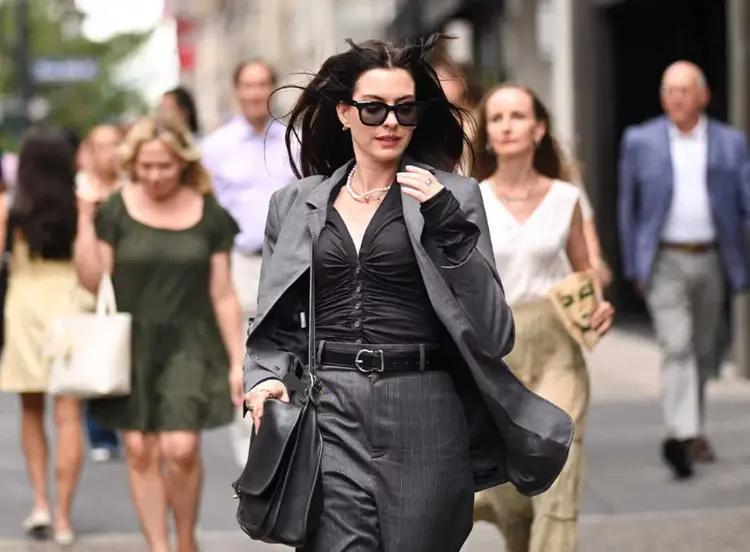
This is where Street style outfits becomes a defining influence on-screen. Instead of purely runway-inspired looks, the costume direction borrows from real-world fashion ecosystems: cafés, fashion week sidewalks, and influencer culture. Thus, making every outfit feel lived-in rather than staged.
The Influence of Anne Hathaway’s Return to Fashion Cinema
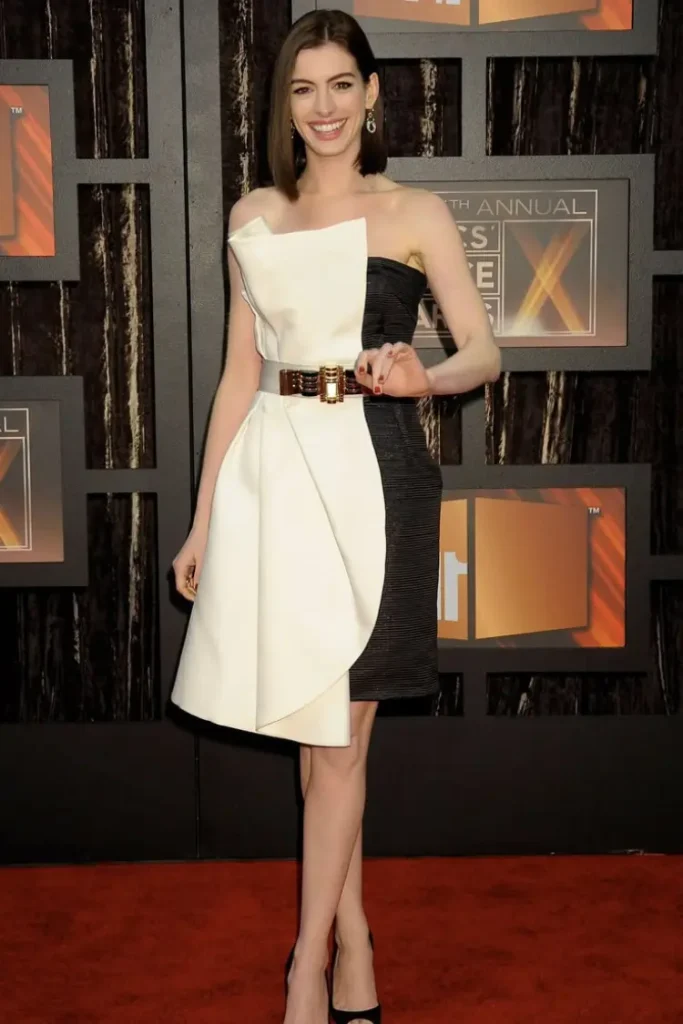
Much of the anticipation also stems from anne hathaway new film, as her return to the franchise bridges nostalgia with reinvention. Her character’s wardrobe reflects a matured fashion identity—less trend-dependent, more globally curated, and rooted in archival luxury pieces collected over years of travel and journalism.
Her styling signals a shift in the narrative: fashion is no longer just about exclusivity, but about personal history and meaning embedded in clothing.
Accessories, Power Dressing, and Visual Identity
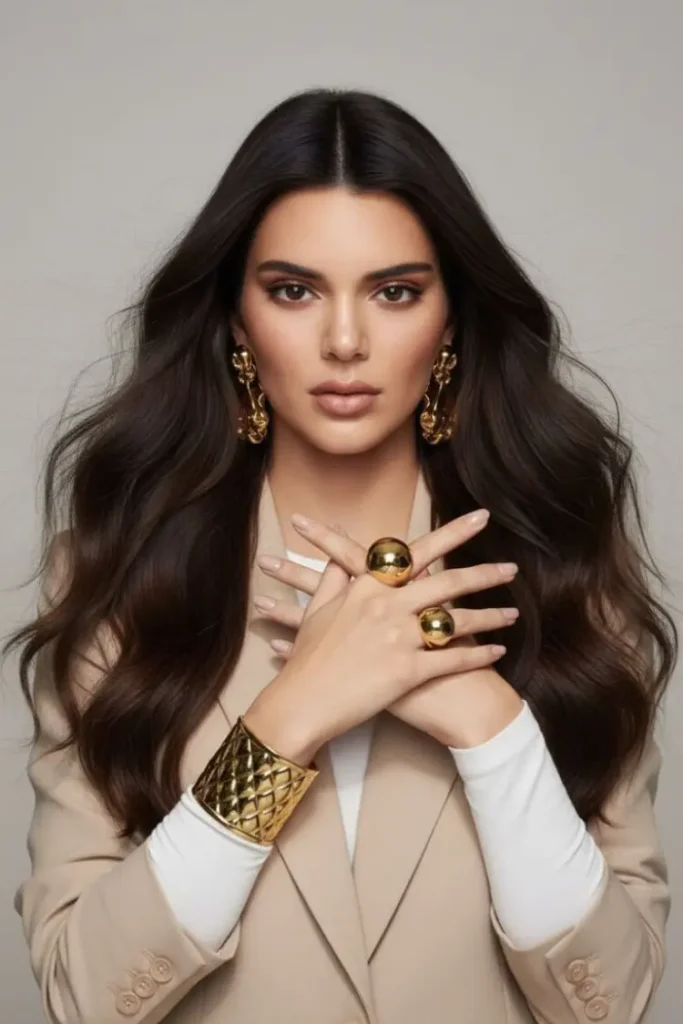
A major styling focus in the sequel is accessories as storytelling tools. Bags, jewelry, and statement pieces are no longer background elements. Instead now they define authority, personality, and ambition.
Costume direction leans into emerging jewelry trends, especially bold sculptural designs, mixed-metal layering, and vintage-inspired heirloom pieces reimagined for modern editorial aesthetics. These details quietly reinforce character dynamics without needing dialogue.
Fashion Meets Modern Media Pressure
The reboot doesn’t just revisit fashion. Instead it critiques it. The world of Runway now operates under tighter budgets, faster publishing cycles, and performance-driven content strategies. The same is why, what once was print dominance is now a constant race for relevance.
Within this environment, fashion becomes both armor and currency. Every outfit is calculated, not just for beauty, but for impact across screens, feeds, and headlines.
Final Takeaway
On the bottom line, the renewed version of devil wears prada filming has proved that fashion can be a beautiful part of any story telling. It also has told us that fashion has evolved beyond just magazines and fantasy.
Thus, now it is reflecting the world where luxury, digital influence and personal style combine at once. And yet, at its core, the story remains unchanged: ambition, image, and the relentless pursuit of relevance in an industry that never stops watching. And for more such amazing blogs, make sure to follow Fashenic Style


