
Introduction
The phrase “o que é moda” translates from Portuguese to English as “what is fashion.” This question is commonly searched by people who want to understand the deeper meaning of fashion beyond clothing and trends. Fashion is not just about what people wear; it is a powerful form of cultural expression that reflects society, identity, history, and change. From everyday clothing choices to high-end runway collections, fashion influences how individuals present themselves and how societies evolve over time.
When people search for “o que é moda,” they are often looking for a clear explanation of what fashion truly represents, how it started, and why it matters in daily life. In this article, we will explore the meaning of fashion, its historical evolution, its role in society, and the difference between fashion and personal style. This guide is written in simple English while keeping the focus keyword “o que é moda” relevant and clear for global readers.
O Que É Moda: What Does Fashion Mean?
“O que é moda” means asking what fashion is and how it functions in society. Fashion can be defined as a set of styles, behaviors, and trends that are widely accepted or followed during a specific period. These trends may appear in clothing, accessories, hairstyles, makeup, and even lifestyle choices.
Fashion is dynamic and constantly changing. What is fashionable today may not be popular tomorrow. This constant change is what makes fashion interesting and influential. It reflects cultural values, social norms, economic conditions, and historical moments. Fashion is not only about appearance; it is also a way for people to communicate who they are without using words.
The Origin and Evolution of Fashion
To fully understand o que é moda, it is important to look at its history. Fashion has existed since ancient civilizations, where clothing was used to show social status, profession, or cultural identity. In early societies, garments were handmade and often symbolic.
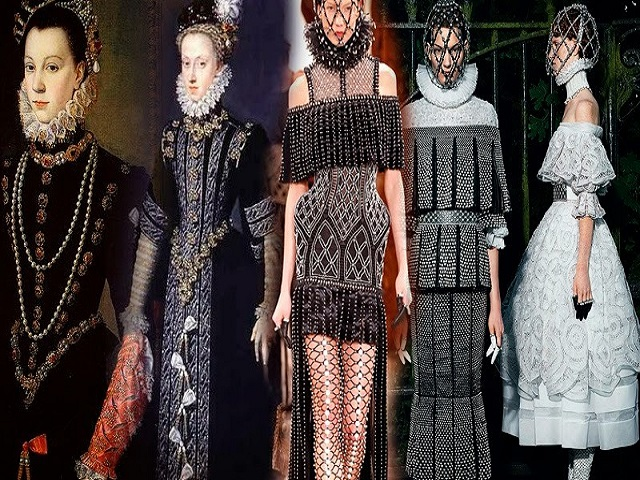
During the Middle Ages, fashion became more structured, with specific styles reserved for nobility and royalty. The Renaissance period brought creativity, color, and detailed designs into fashion. Later, the Industrial Revolution transformed fashion by introducing mass production, making clothing more accessible to the general public.
In the 20th century, fashion became closely linked to art, music, cinema, and social movements. Each decade developed its own unique fashion identity. Today, fashion evolves faster than ever due to globalization, digital media, and social platforms, allowing trends to spread worldwide in seconds.
Fashion as a Cultural Expression
Fashion plays a major role in expressing culture. Different countries and communities have their own traditional clothing, fabrics, and designs that reflect history, climate, religion, and values. When people ask o que é moda, they are also asking how fashion connects to culture.
Fashion can represent freedom, rebellion, tradition, or innovation. It often mirrors social changes, such as gender equality, sustainability, and diversity. Clothing choices can communicate cultural pride or global influence. In this way, fashion acts as a visual language that tells stories about people and societies.
The Social Role of Fashion
Identity and Self-Expression
Fashion allows individuals to express their personality, mood, beliefs, and lifestyle. The way someone dresses can show confidence, creativity, professionalism, or individuality.
Non-Verbal Communication
Fashion is a form of communication without words. Clothing choices can signal social status, group belonging, or cultural background.
Social Connection
Following certain fashion trends can help people feel connected to groups or communities, while unique fashion choices can help individuals stand out.
Fashion vs. Style: Understanding the Difference
Many people confuse fashion with personal style, but they are not the same. Fashion refers to popular trends that change over time and are followed by many people. Style, on the other hand, is personal and long-lasting.
Someone can follow fashion trends, but style is how those trends are interpreted individually. While fashion is temporary, style reflects personality and remains consistent even as trends change. Understanding this difference helps explain o que é moda in a more complete way.
The Fashion Industry and Its Influence
The fashion industry includes designers, manufacturers, retailers, marketers, and consumers. Designers play a key role by transforming ideas and cultural influences into wearable pieces. Fashion shows and collections often influence what becomes popular in upcoming seasons.
Fashion is also a major global industry that impacts employment, economy, and innovation. From luxury brands to everyday clothing, fashion affects how people shop, spend, and live.
Fashion Trends and Cycles
Fashion works in cycles. Trends emerge, become popular, fade away, and often return with a modern twist. This is why styles from past decades frequently reappear in contemporary fashion.
These cycles are influenced by culture, technology, media, and consumer behavior. Today, digital platforms and social media have accelerated trend cycles, making fashion more fast-paced than ever before.
Modern Fashion and Sustainability
In recent years, the question o que é moda has expanded to include responsibility a nd sustainability. Fast fashion has raised concerns about environmental damage and labor conditions. As a result, many consumers and brands are shifting toward sustainable fashion practices.
Sustainable fashion focuses on ethical production, eco-friendly materials, recycling, and conscious consumption. This shift shows that fashion is not only about aesthetics but also about making responsible choices for the future.
Conclusion
Understanding o que é moda means recognizing that fashion is more than clothing or trends. It is a powerful cultural and social phenomenon that reflects identity, history, and change. From its historical origins to its modern role in global society, fashion continues to influence how people express themselves and connect with others. While trends may come and go, fashion remains a key form of communication and creativity.
It reflects social values, cultural diversity, and personal expression. Today, fashion is also evolving toward greater awareness and responsibility, proving that it can adapt to the needs of society and the planet. By understanding what fashion truly is, individuals can make more conscious choices, appreciate cultural diversity, and use fashion as a meaningful tool for self-expression and connection.
FAQs
1. What does “o que é moda” mean in English?
It means “what is fashion.”
2. What is fashion in simple words?
Fashion is a popular style or trend in clothing and appearance at a certain time.
3. Is fashion only about clothes?
No, fashion also includes accessories, behavior, culture, and lifestyle.
4. Why does fashion change so often?
Fashion changes due to cultural, social, and technological influences.
5. What is the difference between fashion and style?
Fashion is temporary and trend-based, while style is personal and long-lasting.