
Introduction
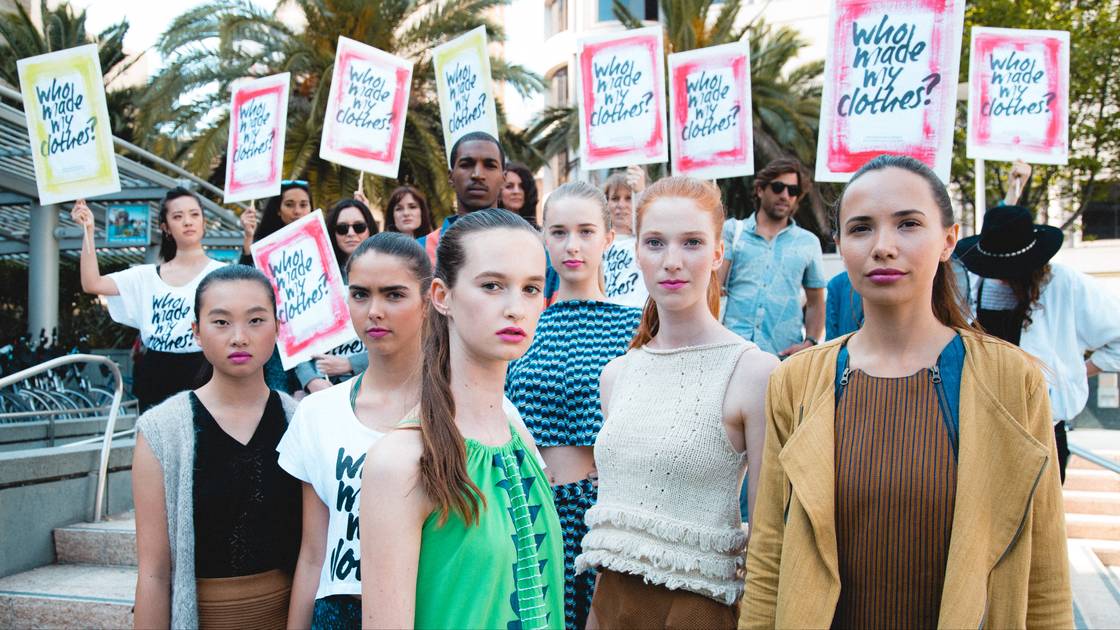
The global fashion industry has long been associated with fast production, low costs, and constantly changing trends. However, growing awareness of environmental damage, unethical labor practices, and excessive waste has led to a powerful movement known as fashion revolution. This movement challenges the traditional fashion system and encourages transparency, sustainability, and ethical responsibility across the entire supply chain. Fashion revolution asks an important question: Who made my clothes? By highlighting the human and environmental cost behind clothing production, it aims to create a fairer and more conscious fashion industry. Consumers today are more informed than ever, and many are demanding accountability from brands. Fashion revolution is not just about changing how clothes are made, but also about changing how people buy, wear, and value fashion. In this article, we will explore what fashion revolution means, why it started, how it impacts the industry, and how individuals can become part of this global change.
What Is Fashion Revolution?
Fashion revolution is a global movement that promotes ethical, transparent, and sustainable practices within the fashion industry. It focuses on improving working conditions, reducing environmental harm, and encouraging brands to be honest about how and where their products are made. Rather than supporting fast fashion and overconsumption, fashion revolution encourages slower, more responsible fashion choices.
At its core, fashion revolution seeks to shift the industry from profit-driven practices to people- and planet-centered values. It highlights the importance of fair wages, safe working environments, and responsible sourcing of materials. This movement has gained worldwide attention and continues to influence brands, policymakers, and consumers.
Why Did the Fashion Revolution Start?
The fashion revolution movement gained global recognition after major industrial disasters exposed the harsh realities of garment production. These events revealed unsafe factories, poor labor conditions, and lack of accountability from major brands. As a result, consumers and activists began demanding change.
The movement started to address issues such as:
- Exploitation of garment workers
- Unsafe working environments
- Low wages and long working hours
- Environmental pollution from textile production
- Excessive waste caused by fast fashion
Fashion revolution was born out of the need to protect human rights and the environment while redefining how fashion operates on a global scale.
Valentine’s Day Outfits: Stylish Ideas to Celebrate Love
The Core Values of Fashion Revolution
1. Transparency
Transparency is a key principle of fashion revolution. Brands are encouraged to openly share information about their supply chains, factories, materials, and labor practices. This allows consumers to make informed choices and hold companies accountable.
2. Ethics and Fair Labor
Fashion revolution emphasizes the importance of fair wages, safe working conditions, and respect for workers’ rights. Garment workers are often underpaid and overworked, and this movement aims to ensure dignity and fairness for everyone involved.
3. Sustainability
Environmental sustainability is central to fashion revolution. It promotes reducing waste, lowering carbon emissions, conserving water, and using eco-friendly materials. Sustainable fashion helps minimize the industry’s impact on the planet.
4. Conscious Consumption
Instead of buying large quantities of cheap clothing, fashion revolution encourages people to buy less and choose better-quality items that last longer.
Fashion Revolution vs Fast Fashion
Fast fashion focuses on producing trendy clothing quickly and cheaply, often at the expense of workers and the environment. Fashion revolution challenges this model by promoting slow fashion, which values quality, durability, and ethical production.
While fast fashion thrives on overconsumption and short trends, fashion revolution promotes mindful shopping, clothing repair, and long-term use. This shift helps reduce textile waste and environmental damage while supporting ethical brands.
How Fashion Revolution Impacts the Industry
The influence of fashion revolution is growing steadily. Many brands are now adopting more sustainable practices due to consumer pressure and increased awareness. Some companies are:
- Publishing supply chain information
- Using recycled or organic materials
- Reducing plastic packaging
- Improving labor standards
Fashion revolution has also influenced designers to create timeless collections instead of seasonal trends. Governments and organizations are starting to introduce regulations that support ethical and sustainable fashion practices.
The Role of Consumers in Fashion Revolution
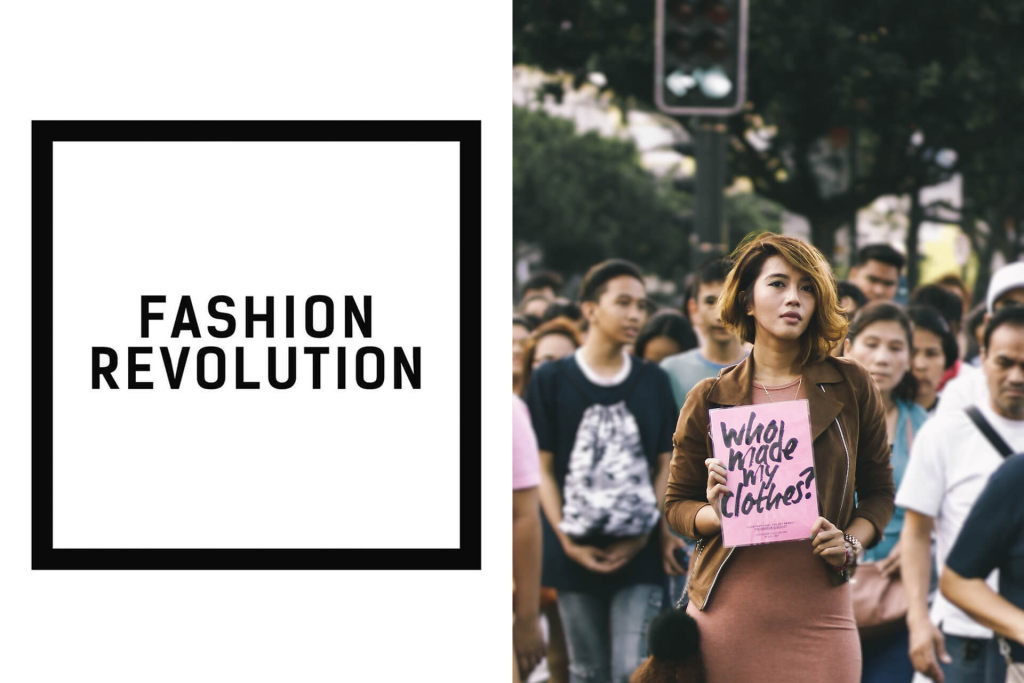
Consumers play a crucial role in the success of fashion revolution. Every purchase sends a message to brands about what people value. By choosing ethical and sustainable products, consumers encourage positive change within the industry.
Simple actions include:
- Asking brands how and where products are made
- Supporting ethical and sustainable fashion labels
- Buying fewer but higher-quality clothes
- Repairing and reusing clothing
- Educating others about fashion revolution
Consumer awareness is one of the strongest drivers of change in the fashion industry.
Fashion Revolution and Sustainability
Sustainability is one of the main pillars of fashion revolution. The fashion industry is one of the largest contributors to pollution and waste worldwide. Fashion revolution addresses this by promoting circular fashion, recycling, and responsible resource use.
Circular fashion focuses on designing clothes that can be reused, repaired, or recycled. This approach reduces landfill waste and extends the life cycle of garments. Sustainable materials, such as organic cotton and recycled fabrics, are also encouraged to lower environmental impact.
Challenges Facing the Fashion Revolution
Despite its growth, fashion revolution faces several challenges. Some brands use sustainability as a marketing tool without making real changes, a practice known as greenwashing. Additionally, sustainable fashion can be more expensive, making it less accessible to some consumers.
Another challenge is changing consumer habits. Fast fashion is deeply ingrained in modern culture, and shifting toward mindful consumption requires education and awareness. However, continuous advocacy and innovation are helping overcome these obstacles.
The Future of Fashion Revolution
The future of fashion revolution looks promising as more people demand ethical and sustainable practices. Technology is playing a role in improving supply chain transparency, while younger generations are prioritizing sustainability and social responsibility.
As awareness grows, fashion revolution has the potential to reshape the industry into one that values people, the planet, and long-term impact over short-term profit. The movement continues to inspire change across the global fashion landscape.
Conclusion
Fashion revolution represents a powerful shift in how fashion is produced, consumed, and valued. It challenges the harmful practices of fast fashion by promoting transparency, ethical labor, and environmental sustainability. By asking critical questions and encouraging conscious choices, fashion revolution empowers consumers to become part of the solution. While challenges such as greenwashing and accessibility remain, the movement continues to grow and influence positive change across the industry.
Fashion revolution is not just a trend but a long-term movement aimed at creating a fairer and more responsible fashion system. As consumers, brands, and policymakers work together, fashion revolution has the potential to transform the fashion industry into one that respects human rights, protects the environment, and values quality over quantity.
People Also Ask
1. What is fashion revolution?
Fashion revolution is a global movement promoting ethical, transparent, and sustainable fashion practices.
2. Why is fashion revolution important?
It helps protect garment workers, reduce environmental damage, and create a fairer fashion industry.
3. How can consumers support fashion revolution?
By buying responsibly, supporting ethical brands, and asking how clothes are made.
4. What is the difference between fashion revolution and fast fashion?
Fast fashion focuses on speed and low cost, while fashion revolution promotes ethics and sustainability.
5. Is fashion revolution only about clothing?
No, it also addresses labor rights, environmental impact, and responsible consumption across the fashion industry.