
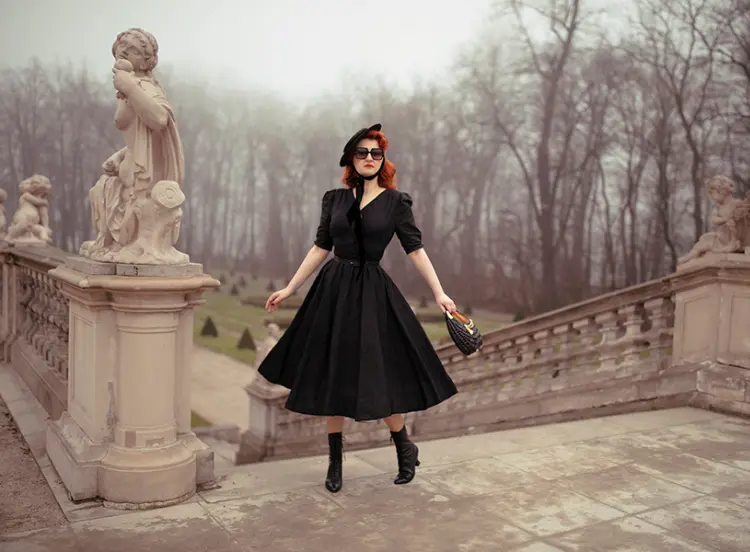
In an era dominated by micro-trends, hyper-fast fashion, and a relentless digital culture, a quiet rebellion is taking place. Across social media, in university libraries, and on urban streets, thousands are stepping away from modern consumerism toward a more timeless, intentional way of living. This movement has crystallized into a highly popular subculture: the aesthetic that seamlessly blends classical literature with vintage fashion.
Often referred to online as Dark Academia or Light Academia, this lifestyle is far more than a visual trend. It is an intentional intersection of intellectual curiosity, historical appreciation, and elegant personal style. From the worn, dog-eared pages of a nineteenth-century novel to a carefully thrifted tweed blazer, this aesthetic celebrates a beauty that transcends generational divides.
Whether you are a student studying abroad in historic European cities, a content creator, or someone simply looking to slow down, understanding this timeless lifestyle can transform how you read, dress, and interact with the world.
Defining the Aesthetic: Dark vs. Light Academia
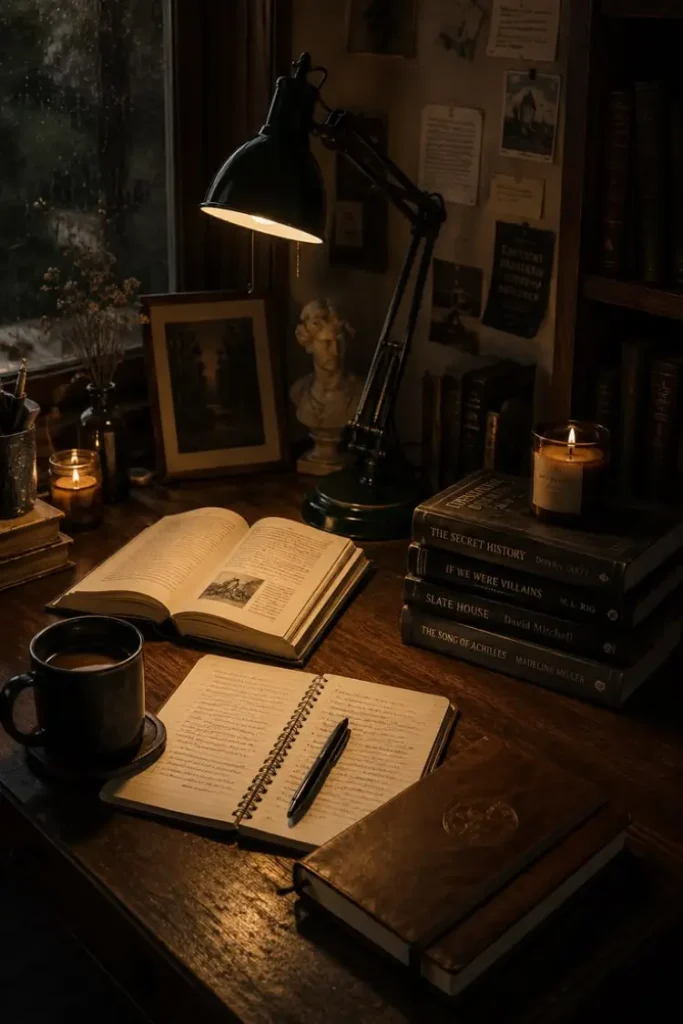
To understand the connection between vintage styling and classical texts, it helps to break the subculture down into its two primary expressions:
Dark Academia
Rooted in a passion for the arts, literature, and the pursuit of knowledge, this branch skews gothic, melancholic, and deeply academic. It draws heavy inspiration from mid-twentieth-century prep schools, traditional boarding schools, and elite universities like Oxford, Cambridge, and Harvard. The color palette is heavy with deep browns, forest greens, navy blue, and charcoal gray.
Light Academia
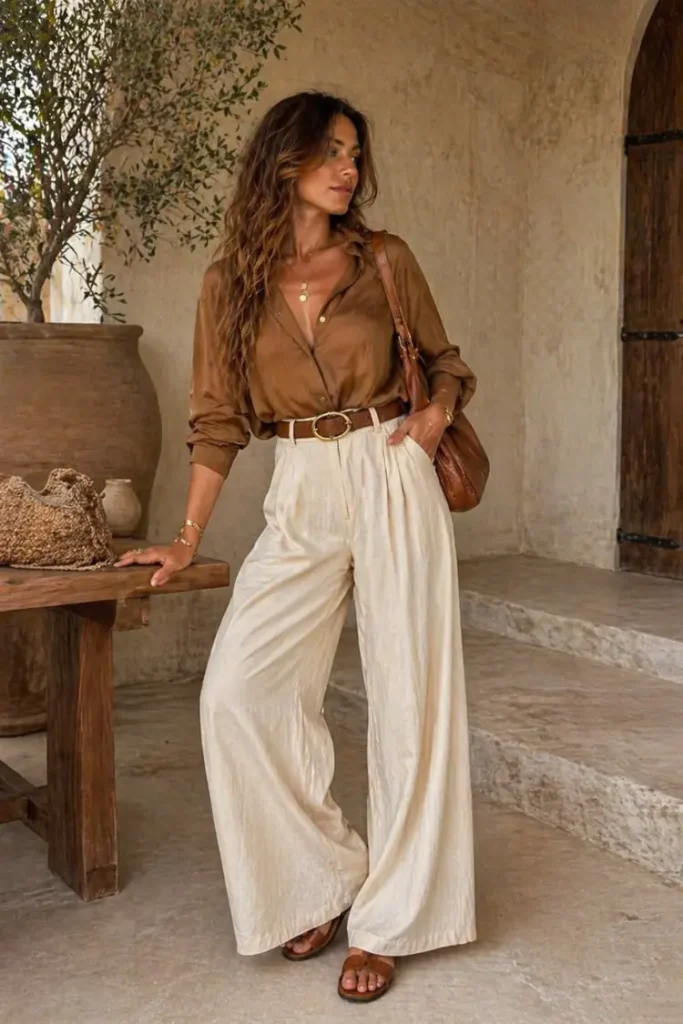
Sharing the exact same love for learning and history, Light Academia approaches the lifestyle with a softer, more romantic, and optimistic lens. Think afternoon tea in a sunlit garden rather than studying under a dim lamp at midnight. Its visual markers rely on soft creams, beige, tan, whites, and light pastels.
Regardless of which shade speaks to you, the core ethos remains identical: valuing substance over superficiality, quality over quantity, and self-expression over fleeting trends.
The Origins: How Literature Shapes the Visual Mood
The connection between literature and clothing is deeply rooted in storytelling. Authors do not just craft plots; they build atmospheres. It is those atmospheric descriptions that directly inform the wardrobes of modern enthusiasts.
The Romance of the 19th Century
The timeless works of Jane Austen, Charlotte Brontë, and Louisa May Alcott introduce readers to worlds defined by handwritten correspondence, long walks through estate grounds, and refined manners. A reader finishes Pride and Prejudice or Jane Eyre wanting to capture that precise mood. This manifests physically as high collars, romantic Edwardian blouses, delicate lace detailing, and flowing linen skirts.
The Intellectual Grit of Realism and Gothic Fiction
On the other side of the spectrum, the dense, atmospheric worlds of Charles Dickens, Leo Tolstoy, and Donna Tartt bring forth an entirely different sartorial mood. The moody, rain-soaked streets of Victorian London or the intense, high-stakes pressure of a university campus invite heavy textiles, structured silhouettes, and protective layers.
When you slip on a vintage wool overcoat, you aren’t just wearing outerwear, you are stepping into the narrative mood of a nineteenth-century protagonist navigating a foggy morning.
Essential Elements of a Literary-Inspired Vintage Wardrobe
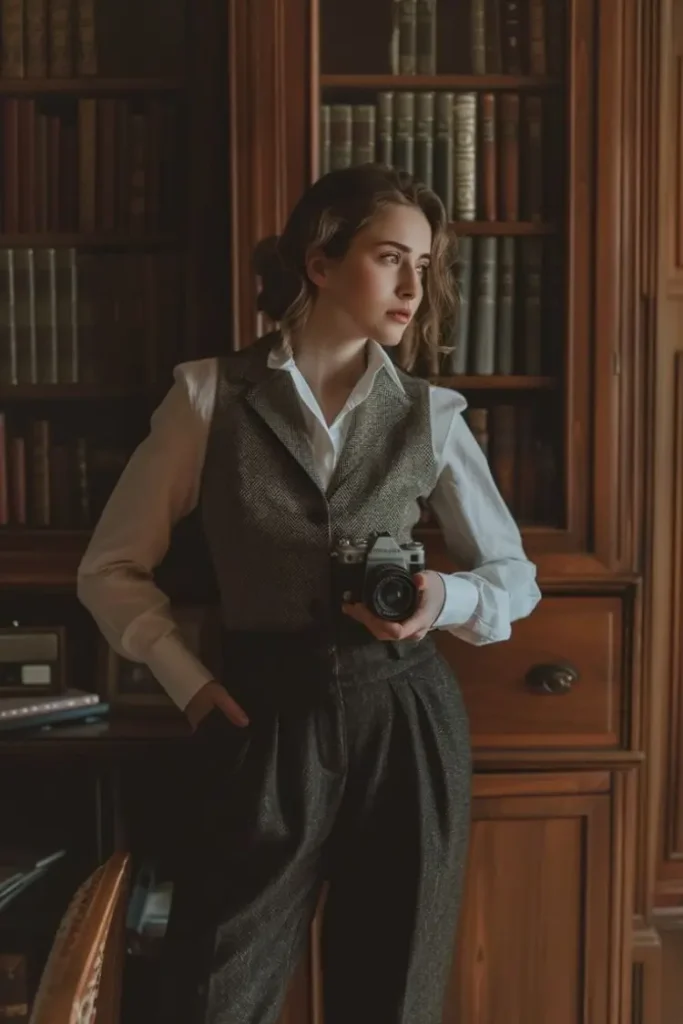
Building a wardrobe that reflects this classic aesthetic does not require buying from luxury designer brands. Instead, the focus rests on tailoring, fabric integrity, and history. Modern fast fashion relies heavily on synthetic polyesters; this aesthetic thrives on natural, durable materials that look better with age.
| Wardrobe Piece | Key Fabric/Material | Aesthetic Association |
| Tweed Jackets & Blazers | 100% Wool / Herringbone | Evokes a mid-century university professor or researcher look. |
| Pleated & A-Line Skirts | Wool blends, heavy cotton | Offers structural movement reminiscent of vintage 1940s and 50s attire. |
| Oxford Shoes & Loafers | Structured leather | Timeless footwear that bridges the gap between formal and practical. |
| Knit Cardigans & Sweaters | Cable-knit wool, cashmere | Adds texture, comfort, and a cozy, library-ready layer to any outfit. |
| Structured Trench Coats | Heavy cotton gabardine, wool | Provides a polished, historic silhouette for colder months. |
By building a wardrobe out of these interchangeable, neutral-toned staples, you create a sustainable capsule collection. According to industry data tracked by Statista’s apparel and footwear resale research, consumer choices are steadily shifting away from fast-disposable fashion toward secondhand and vintage items. This sustainability element is a major reason why the literary aesthetic continues to grow, it values pieces built to last for decades.
Beyond Fashion: Curating an Intentional Lifestyle
True immersion into this aesthetic means moving beyond the clothes and fostering genuine intellectual curiosity. It is a commitment to a slower, more deliberate lifestyle.
- Building a Personal Library: Books are treated as treasures rather than passive shelf-decorations. Enthusiasts often collect antique leather-bound editions, secondhand paperbacks, and classic texts covering philosophy, poetry, history, and art criticism.
- The Art of Slow Rituals: Cultivating routines that reject digital urgency. This includes writing with fountain pens, keeping physical journals, brewing loose-leaf tea, and listening to classical compositions by Frédéric Chopin, Ludwig van Beethoven, or Claude Debussy during study sessions.
- Old-World Spaces: A deep appreciation for architectural preservation. Enthusiasts naturally gravitate toward gothic libraries, local museums, quiet botanical gardens, and independent brick-and-mortar bookstores.
Step-by-Step: How to Build Your Literary Aesthetic on a Budget
Transitioning your style and lifestyle toward this timeless approach doesn’t require a large financial investment. Use this sequential framework to start sustainably:
1.Audit for Natural Fibers: Phase 1: Your Closet.
Go through your current wardrobe and pull out pieces in neutral tones (creams, browns, navy, blacks). Check the fabric tags. Keep and prioritize items made of cotton, wool, linen, and silk, as these form the structural base of vintage styling.
2.Source Authentic Vintage Safely: Phase 2: Thrift Wisely.
Instead of buying modern reproductions, visit local thrift stores, estate sales, or online vintage marketplaces (like Depop or eBay). Look specifically for vintage wool blazers, leather loafers, and structured outerwear. True vintage pieces offer superior craftsmanship compared to today’s fast fashion alternatives.
3.Curate Your Reading List: Phase 3: Mindset.
Visit an independent or secondhand bookstore. Pick up a mix of classic literature and foundational poetry or philosophy. Dedicate at least 30 minutes a day to reading without your phone or digital distractions nearby to fully build the mental focus the aesthetic celebrates.
Frequently Asked Questions
What is the difference between vintage fashion and retro fashion?
vintage fashion classical music study abroad refers to authentic garments that were constructed at least 20 to 100 years ago, representing the genuine quality and tailoring of their era. “Retro” fashion refers to newly manufactured modern clothing designed to imitate the styles of the past.
How can I dress in a literary vintage style during hot summer months?
Switch your heavy tweeds and wools out for lightweight, breathable natural fibers. High-waisted linen trousers, lightweight cotton blouses with vintage necklines, short-sleeved knit tops, and leather sandals allow you to maintain an antique, structured silhouette without overheating.
Do I have to be a student to adopt the Dark or Light Academia aesthetic?
Not at all. While the style takes visual cues from historical university life, the underlying core is simply a lifelong love of learning, reading, and classical art. Anyone can incorporate these intentional habits and classic wardrobe pieces into their daily life, regardless of age or occupation.
Conclusion
Ultimately, embracing the aesthetic of classical literature and vintage fashion is an act of curation. It is about choosing to fill your life with clothes that have a history, books that challenge your mind, and daily rituals that offer a respite from an increasingly fast-paced digital world. Whether you find your inspiration in the romantic, sunlit worlds of Light Academia or the moody, intellectual depths of Dark Academia, you are participating in a tradition that values beauty, substance, and longevity.
By shifting your focus toward timeless garments, sustainable thrifted finds, and the lifelong pursuit of knowledge, you aren’t just adopting a style, you are writing your own story. So, light a candle, brew a cup of tea, open a well-loved book, and step into a lifestyle that never goes out of fashion.
For more such amazing guides, make sure to follow Fashenic Style.