


Overview
Clothing pilling is one of the most common problems people face when trying to keep their favorite garments looking new. Those small, annoying balls of tangled fibers—often called pills or fuzz balls—can make even high-quality clothes appear old and worn. The good news is that pilling is not permanent. With the right techniques, tools, and care habits, you can remove pilling effectively and prevent it from coming back.
This in-depth guide explains what causes pilling, how to remove it safely from different fabrics, and how to prevent it in the future. By the end, you’ll know exactly how to restore your clothes and extend their lifespan.
What Is Pilling and Why Does It Happen?
Pilling occurs when loose fibers on the surface of a fabric rub against each other. This friction causes the fibers to tangle and form small balls that cling to the fabric. Over time, these pills become more noticeable, especially in areas that experience frequent movement or rubbing.
Common Causes of Fabric Pilling
Several factors contribute to pilling, including:
- Friction: Daily activities like walking, sitting, or carrying a bag cause fabrics to rub together.
- Low-twist fibers: Fabrics made from loosely twisted yarns pill more easily.
- Washing and drying: Machine agitation can pull fibers loose and speed up pilling.
- Fabric blends: Synthetic fibers often hold pills more tightly than natural fibers.
Pilling does not necessarily mean poor quality. Even expensive clothes can pill, especially if they are made from soft or delicate fibers.
Fabrics That Are Most Prone to Pilling
Understanding which fabrics pill easily can help you choose the right removal and prevention methods.
High-Pilling Fabrics
- Wool and wool blends
- Cashmere
- Acrylic
- Polyester blends
- Fleece
- Knitted fabrics
Low-Pilling Fabrics
- Silk
- Denim
- Linen
- Tightly woven cotton
- High-quality synthetic fabrics with anti-pilling treatments
Even low-pilling fabrics can develop pills over time, but they usually shed loose fibers more easily, making pilling less visible.
Why the Classic Ultra Mini UGG Is the Must-Have Shoe for Fall & Winter
Best Methods to Remove Pilling from Clothes
There are multiple ways to remove pilling, ranging from professional tools to simple household items. The key is choosing the right method for your fabric type.
1. Use a Fabric Shaver (Lint Remover)
A fabric shaver is one of the safest and most effective tools for removing pills.
How to Use a Fabric Shaver
- Lay the garment flat on a hard surface.
- Gently stretch the fabric to smooth it out.
- Turn on the fabric shaver and lightly glide it over the pilled area.
- Empty the lint container when it fills up.
Pros
- Quick and efficient
- Works on most fabrics
- Provides even results
Cons
- Requires electricity or batteries
- Can damage fabric if pressed too hard
Fabric shavers are ideal for sweaters, coats, and knitwear.
2. Remove Pilling with a Safety Razor
A simple shaving razor can work surprisingly well, especially for thick fabrics.
Steps to Follow
- Place the garment on a flat surface.
- Pull the fabric tight with one hand.
- Lightly glide the razor across the surface in short strokes.
- Remove loose pills as you go.
Best For
- Wool sweaters
- Cotton blends
- Thick knits
Caution
Always use a light touch. Pressing too hard can cut the fabric.
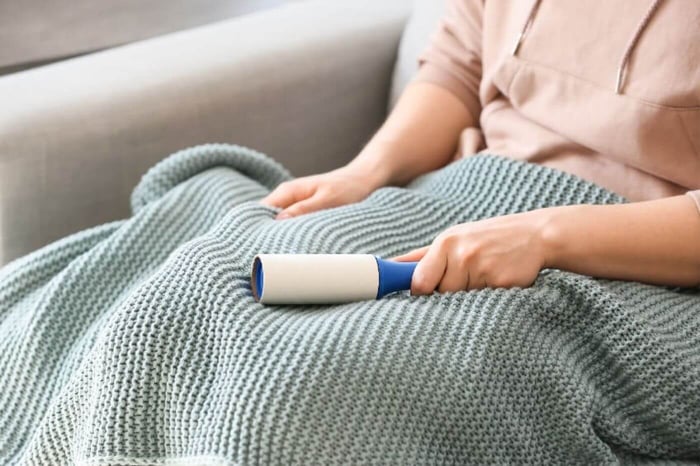
3. Use a Lint Roller or Sticky Tape
While lint rollers are better for removing lint and pet hair, they can also help with light pilling.
How It Works
- Roll the sticky surface over the fabric.
- The adhesive pulls away loose pills and fuzz.
When to Use This Method
- For mild pilling
- On delicate fabrics
- As a finishing step after shaving
This method is gentle but not effective for heavy pilling.

4. Try a Pumice Stone or Sweater Stone
Sweater stones are specially designed to remove pills without cutting fibers.
Instructions
- Place the garment flat.
- Gently rub the stone in one direction.
- Brush away loosened fibers.
Suitable Fabrics
- Wool
- Cashmere
- Knit fabrics
Avoid Using On
- Silk
- Lightweight cotton
- Thin synthetics
These stones can be abrasive, so always test on a small area first.
5. Use Scissors for Spot Treatment
For stubborn pills in small areas, scissors can be useful.
How to Do It Safely
- Hold the pill between your fingers.
- Carefully snip it off close to the fabric.
- Avoid cutting the fabric threads.
This method is slow but precise, making it ideal for high-value garments.
How to Remove Pilling from Specific Fabrics
Different fabrics require different care approaches.
Wool and Cashmere
- Use a fabric shaver or sweater stone.
- Avoid razors on very fine cashmere.
- Always lay flat to dry to reduce friction.
Cotton and Cotton Blends
- Fabric shavers work best.
- Razors can be used gently.
- Wash inside out to reduce surface friction.
Synthetic Fabrics
- Pills cling tightly due to strong fibers.
- Use a fabric shaver for best results.
- Avoid high heat in dryers.
Delicate Fabrics
- Use lint rollers or scissors.
- Never use razors or stones.
- Hand wash when possible.
How to Prevent Pilling from Happening Again
Removing pills is only half the solution. Prevention is key to keeping clothes looking new.
1. Wash Clothes Inside Out
Turning clothes inside out reduces friction on the outer surface, where pills form.
2. Use Gentle Wash Cycles
Choose delicate or gentle cycles to minimize agitation.
3. Separate Fabrics When Washing
Avoid washing heavy items like jeans or towels with delicate clothes. Rough fabrics increase friction.
4. Use Fabric Softener or Vinegar
Fabric softeners reduce friction between fibers. Alternatively, add half a cup of white vinegar to the rinse cycle for a natural solution.
5. Air Dry When Possible
Dryers cause significant friction. Air drying helps preserve fabric integrity and reduce pilling.
6. Avoid Overloading the Washing Machine
Overcrowding increases rubbing between clothes, leading to more pills.
7. Choose Quality Fabrics
Tightly woven, high-quality fabrics pill less and maintain their appearance longer.

Common Myths About Pilling
Myth 1: Pilling Means Low Quality
Not true. Many luxury fabrics pill because they are soft and made from natural fibers.
Myth 2: Removing Pills Ruins Clothes
When done correctly, removing pills actually improves appearance and does not damage the fabric.
Myth 3: Only Old Clothes Pill
New clothes can pill quickly if worn frequently or washed improperly.
How Often Should You Remove Pilling?
There is no fixed rule. Remove pilling when it becomes noticeable, but avoid excessive shaving. Too much removal can thin the fabric over time. For frequently worn items, light maintenance every few weeks is ideal.
Final Thoughts
Pilling is a natural part of fabric wear, but it doesn’t have to ruin your clothes. With the right tools and techniques, you can remove pills safely and restore your garments to a fresh, polished look. More importantly, by adopting better washing and care habits, you can significantly reduce future pilling and extend the life of your wardrobe.
Whether you use a fabric shaver, a razor, or simple household tools, consistency and gentle handling are the keys. Treat your clothes well, and they’ll continue to look good for years to come.
