
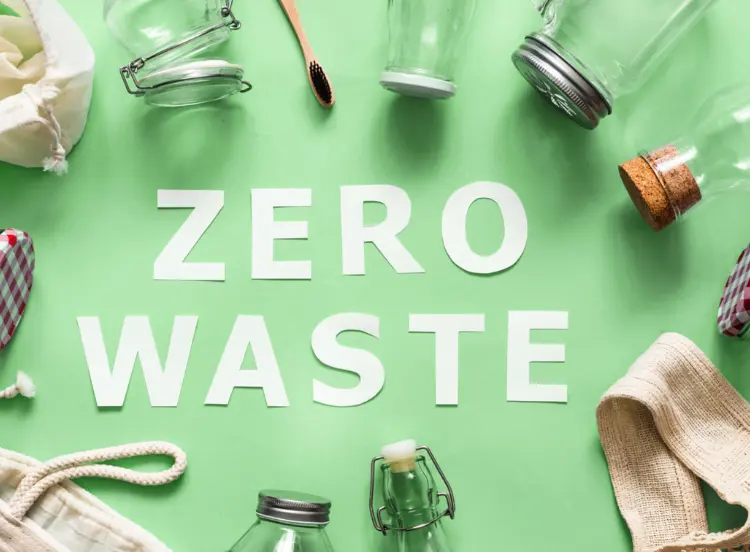
Let’s be honest: most people like the idea of living greener, but nobody wants their home to feel like a recycling center with rules taped to every wall. The good news is that a zero waste lifestyle does not have to be strict, expensive, or complicated. In fact, when done properly, it can make your home feel calmer, your shopping habits smarter, and your monthly spending a little less painful.
A zero waste lifestyle is not about fitting one year of trash into a tiny glass jar. That sounds impressive, but for most real people with jobs, families, takeout cravings, and busy mornings, it is not exactly practical. The better goal is simple: waste less, reuse more, buy with intention, and stop paying for things that end up in the bin.
Below are calm, realistic, and slightly clever habits that can help you cut trash and save cash without turning your life upside down.
Start Where the Trash Actually Happens
Before buying bamboo everything, pause for a moment and look at where most of your waste comes from. Usually, it is not mysterious. It is food packaging, plastic bags, paper towels, half-used beauty products, takeout containers, and random impulse purchases that seemed useful for about five minutes.
Do a Simple Trash Check
You do not need to dig through your bin like a detective in a crime show. Just notice what you throw away most often for a few days.
Ask yourself:
- Are you wasting food every week?
- Are single-use bottles piling up?
- Are you throwing away packaging from online orders?
- Are paper towels disappearing faster than they should?
- Are you buying things because they are convenient, not because you need them?
This one habit gives you a starting point. A zero waste lifestyle works better when it solves your actual waste problems, not someone else’s perfect Instagram routine.
Buy Less, But Make It Feel Elegant

Here is the frank truth: the most sustainable product is often the one you do not buy. A lot of “eco-friendly” shopping still creates clutter if you are buying things you never needed in the first place.
A calmer approach is to buy fewer things, but choose better ones when you do spend.
The “Wait Before You Buy” Rule
Before buying something new, wait 24 to 48 hours. If you still need it, buy it with confidence. If you forget about it, congratulations — you just saved money and avoided future clutter.
This is especially helpful for:
- Kitchen gadgets
- Clothes on sale
- Home decor
- Beauty products
- “Useful” storage items
- Trending eco products
A good zero waste lifestyle is not about owning every reusable item on the market. It is about knowing what truly fits your life.
Make Your Kitchen the First Big Win
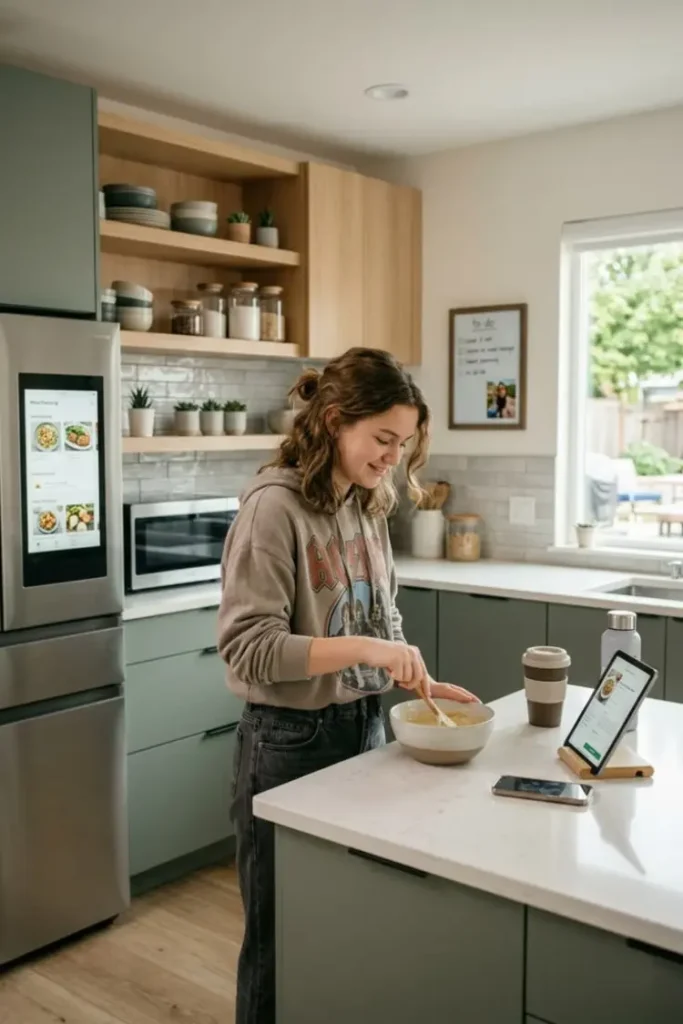
If your home has a waste hotspot, it is probably the kitchen. Food waste, plastic packaging, disposable wraps, and forgotten leftovers all live there rent-free. The kitchen is also where you can save the most money quickly.
Plan Meals Without Becoming a Meal-Prep Robot
You do not need a color-coded spreadsheet. Just plan three to five meals before grocery shopping. That alone can stop the classic problem of buying random ingredients that slowly become fridge sadness.
Try this:
- Check what you already have before shopping.
- Plan meals around ingredients that need to be used soon.
- Cook flexible meals like soups, rice bowls, pasta, wraps, and salads.
- Keep one “lazy dinner” option ready so you do not panic-order food.
Simple planning makes your kitchen feel more controlled, and honestly, that feels a little luxurious.
Store Food Like You Paid for It

Because you did.
Use clear containers, jars, or reusable bags so leftovers are easy to see. Food that hides at the back of the fridge is basically on its way to becoming an expensive science experiment.
Good storage habits include:
- Keeping herbs in water like flowers
- Freezing bread before it goes stale
- Labeling leftovers with dates
- Using older produce first
- Turning soft fruit into smoothies
- Making vegetable scraps into broth
These are innovative zero waste tips that do not require much effort, but they make a real difference.
Replace Disposable Items Slowly
A lot of beginners make the same mistake: they try to replace everything at once. Then they feel overwhelmed, spend too much, and give up. No need for that drama.
Build your zero waste lifestyle slowly. Replace disposable items only when your current ones run out.
Easy Swaps That Actually Save Money
Start with items you use every day:
- Cloth towels instead of paper towels
- A reusable water bottle instead of plastic bottles
- Reusable shopping bags instead of plastic bags
- Glass jars instead of disposable containers
- Refillable soap bottles instead of new plastic pumps
- Beeswax wraps or containers instead of plastic wrap
- Rechargeable batteries instead of single-use ones
The trick is to choose swaps that match your routine. If you hate washing complicated items, do not buy complicated reusable items. Simple always wins.
Turn Reuse Into a Quiet Little Habit
Reusing things is where zero waste starts to feel smart rather than restrictive. It saves money because you are squeezing more value out of what you already own.
Give Everyday Items a Second Job
Many items can be reused before they are recycled or tossed.
For example:
- Glass jars can store spices, snacks, cotton pads, or leftovers.
- Old T-shirts can become cleaning cloths.
- Takeout containers can organize drawers.
- Shoe boxes can store cables or craft supplies.
- Candle jars can become bathroom holders.
- Paper bags can be reused for recycling or storage.
This is not about hoarding. Let’s be clear. If your cabinet looks like a container museum, it is time to let some things go. Reuse what is useful and release the rest.
Shop Like You Have Standards
A zero waste lifestyle becomes much easier when you change how you shop. The goal is not to become perfect. The goal is to stop bringing unnecessary waste into your home in the first place.
Choose Low-Waste Options First
When possible, choose:
- Loose fruits and vegetables
- Products with minimal packaging
- Refillable household items
- Larger sizes for things you use often
- Secondhand furniture and clothing
- Local products with less shipping waste
- Quality items that last longer
This is one of the most practical innovative zero waste tips because it works before waste even enters your home. Once packaging is in your house, you have to deal with it. Better shopping means less dealing.
Make Your Bathroom Less Wasteful
Bathrooms quietly create a lot of waste. Plastic bottles, disposable razors, cotton pads, wipes, and half-used products can pile up quickly.
Keep It Simple and Spa-Like
A low-waste bathroom can feel cleaner and more luxurious when you simplify it.
Try:
- Bar soap instead of bottled body wash
- Shampoo bars if they work for your hair
- Reusable cotton rounds
- A safety razor
- Refillable hand soap
- Bamboo toothbrushes
- One product finished before buying another
Also, stop buying skincare because the internet told you your face needs twelve steps. It probably does not. Fewer products mean less waste, less clutter, and more money staying in your pocket.
Fix, Borrow, and Share Before Buying
One of the most underrated habits in a zero waste lifestyle is asking, “Do I really need to own this?”
Not everything needs to be bought new. Some things can be borrowed, rented, repaired, or shared.
Try This Before Your Next Purchase
Before buying something, consider:
- Can I repair the one I have?
- Can I borrow it from a friend?
- Can I rent it for one-time use?
- Can I buy it secondhand?
- Can I share it with a neighbor or family member?
This works especially well for tools, party supplies, baby items, books, formal clothes, and seasonal decorations. Why buy a carpet cleaner to use twice a year when you can rent one and keep your closet from becoming a storage unit?
Keep Recycling, But Don’t Worship It
Recycling is useful, but it is not the hero of the story. Reducing and reusing matter more because they prevent waste before it happens.
Recycle Smarter, Not Lazier
Check your local recycling rules because not everything with a recycling symbol actually belongs in your bin. Tossing the wrong items into recycling can contaminate the whole batch.
Common mistakes include:
- Greasy pizza boxes
- Plastic bags in curbside recycling
- Dirty containers
- Disposable coffee cups
- Mixed-material packaging
- Broken glass in the wrong bin
A smart zero waste lifestyle does not rely on recycling as an excuse to keep buying wasteful things. It uses recycling as the backup plan, not the main plan.
Let Progress Be the Luxury
The calmest way to waste less is to stop chasing perfection. You will forget your reusable bag sometimes. You will order takeout. You will buy something wrapped in plastic because life is life. That does not mean you failed.
The real win is building habits that are easy enough to repeat.
Your Simple Zero Waste Reset
Start with these five habits this week:
- Use what you already have before buying more.
- Plan meals before grocery shopping.
- Carry a reusable bottle or bag.
- Replace one disposable item with a reusable option.
- Repair, reuse, or donate before throwing something away.
Small changes repeated often can cut a surprising amount of trash. Even better, they can reduce impulse spending, food waste, and all those tiny purchases that quietly drain your budget.
Final Thoughts: Less Waste, More Breathing Room
A zero waste lifestyle is not about being flawless. It is about creating a home that feels lighter, cleaner, and more intentional. When you waste less, you usually spend less too. That is the part people do not talk about enough.
Start with your kitchen, your shopping habits, and the disposable items you use most. Add small changes slowly. Keep what works. Ignore what feels unrealistic. The best innovative zero waste tips are the ones you can actually live with.
Less trash, more cash, and a calmer home? Honestly, that sounds like a pretty good deal.